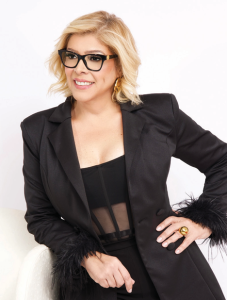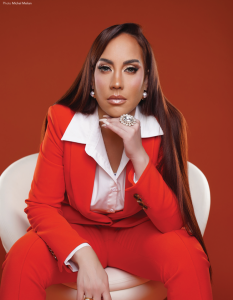
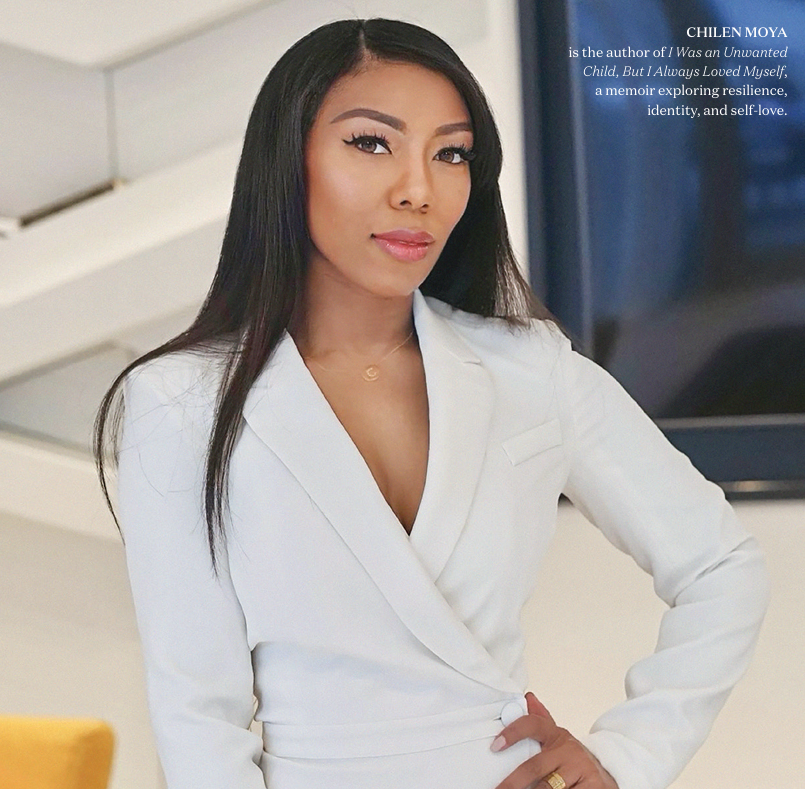
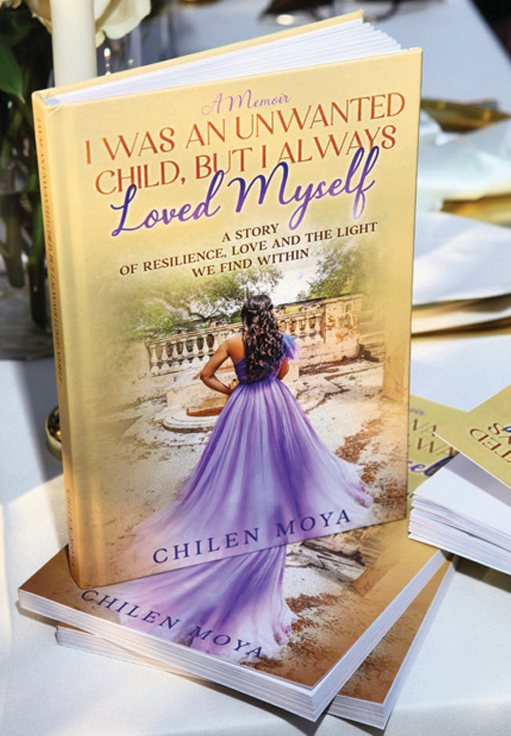
CHILEN MOYA is the author of I Was an Unwanted Child, But I Always Loved Myself, a memoir exploring resilience, identity, and self-love. Her work is a powerful testament to the human spirit’s ability to overcome adversity and find light in the darkest of places.
I grew up knowing I was unwanted, not because anyone ever said the words out loud, but because no one stayed long enough to need to. This early sense of abandonment became the foundation of my worldview, shaping how I perceived myself and my place in the world. It was a silent burden that I carried for many years, unaware of its profound impact on my life.
Translating the Silence of Abandonment
I was left behind as a child in the Dominican Republic, passed quietly between relatives while my mother moved on with her life. When we were eventually reunited years later, the reunion did not bring the warmth or safety I had imagined. Instead, it was a stark reminder of the distance that had grown between us, both physically and emotionally.
My mother was present in body but distant in every other way. Love, I learned early, could exist in theory without showing up in practice. No one explained what any of this meant, but children are excellent translators of silence. We pick up on the unspoken cues and the hidden meanings, often internalizing them as truths about ourselves.
I learned that love was conditional, temporary, and earned through usefulness. I learned that asking for too much—affection, reassurance, attention—was a risk. And I learned, most dangerously, that abandonment was something to expect rather than something to question. These lessons followed me into adulthood, influencing my choices and my relationships in ways I didn’t yet understand.
The Adult Reenactment of Childhood Wounds
As an adult, I told myself I had moved on. I was independent, self-sufficient, capable. I traveled. I built a career. I prided myself on not needing anyone. But the truth revealed itself quietly in my romantic relationships. I was drawn to men who were emotionally unavailable, men who admired me from a distance, who needed me in moments of crisis, who loved me best when I asked for nothing.
I confused intensity for intimacy, longing for connection, and patience for devotion. When love felt uncertain, I felt strangely at home. I did not see this as repetition at the time; I saw it as chemistry. In one relationship, I found myself waiting endlessly for clarity, for commitment, for effort. I minimized my needs and magnified his potential, hoping that my love would be enough to change him.
It took me years to recognize that I was not unlucky in love. I was reenacting something I had learned long before romance entered the picture. I was trying to resolve my first abandonment through people who were incapable of staying. This realization was both painful and liberating, as it allowed me to finally see the pattern and begin the work of breaking it.
Choosing Myself: The Practice of Self-Love
Healing would not come from finally being chosen by the right person, but from choosing myself in ways I never had before. Self-love, I discovered, is not a feeling. It is a practice, one that feels unnatural when you have never seen it modeled. It requires setting boundaries, speaking your truth, and prioritizing your own well-being above all else.
At first, choosing myself felt selfish. I ended relationships sooner. I spoke up more. I stopped explaining my needs as if they were inconveniences. I resisted the urge to overextend, to prove my worth through endurance. Each boundary felt like a small rebellion against the child I once was, the one who believed love required silence.
Discover more about resilience at Original Living Magazine Lifestyle.
Being an unwanted child shaped me, but it does not define me. I am no longer trying to earn my place in someone else’s world. I am learning, instead, how to stay in my own. And that, finally, feels like love. My journey is a reminder that we all have the power to rewrite our stories and find the love we truly deserve, starting with ourselves.
BY CHILEN MOYA